
Monsoon care • June 2026
Rain Water in Swimming Pool: Monsoon Care Guide India
Rain looks like free, clean water — but for a swimming pool it's anything but. Here's exactly what happens when rain water enters your pool, and how to protect chemistry, equipment and finish through the Indian monsoon.

Is rain water bad for a swimming pool?
A light shower won't ruin a well-maintained pool. But sustained or heavy rain — common across India from June to September — changes pool chemistry quickly, dilutes sanitiser, overflows skimmers, and dumps dust, pollen, leaves and roof runoff straight into the water. Left unattended for a few days, a crystal-clear pool can turn green, cloudy or chemically aggressive enough to etch plaster and corrode metal fittings.
How rain changes pool water chemistry
Rain in most Indian cities is mildly acidic (pH 5.0 – 6.5) because of dissolved CO₂ and air pollutants. When large volumes enter the pool, the balanced chemistry tips fast.
| Parameter | Ideal range | After heavy rain |
|---|---|---|
| pH | 7.4 – 7.6 | Drops to 6.8 – 7.2 (acidic) |
| Total Alkalinity | 80 – 120 ppm | Drops below 80 ppm |
| Free Chlorine | 1 – 3 ppm | Diluted, often <0.5 ppm |
| Calcium Hardness | 200 – 400 ppm | Diluted, risk of plaster etching |
| Cyanuric Acid (stabiliser) | 30 – 50 ppm | Washed out, UV burns chlorine faster |
| TDS / contaminants | Low & balanced | Dust, pollen, leaves, runoff added |
The 6 real effects of rain on your pool
1. pH and alkalinity crash
Acidic rain pulls pH and total alkalinity below safe limits. Low pH water is corrosive — it etches plaster, eats grout, damages liners and degrades metal ladders, lights and heat exchangers.
2. Sanitiser dilution
Heavy rain dilutes free chlorine. Combined with washed-out cyanuric acid (the UV stabiliser), the little chlorine left burns off in hours of sunshine. Result: algae bloom within 24–48 hours, especially in warm post-monsoon weather.
3. Contamination from runoff
Rain doesn't fall into the pool alone. It carries dust, pollen, bird droppings, leaves, fertiliser from gardens, oils from roof terraces, and silt from surrounding soil. Total dissolved solids (TDS) and phosphate levels spike — algae's favourite food.
4. Overflow and skimmer flooding
An uncovered pool can rise 25–50 mm in a single heavy spell. Overflowing water floods the skimmer line, deck drains and equipment room, and washes deck debris back into the pool.
5. Filtration overload
Sand and cartridge filters clog faster during monsoon because of higher turbidity. Pressure climbs, flow drops, and circulation suffers — exactly when the pool needs more turnover, not less.
6. Damage to finish and equipment
Sustained low pH attacks pool liners, plaster and grout. Standing rainwater around the pool deck can seep behind coping and into the bond beam, causing leaks the following season.
Monsoon pool care checklist (do these every week)
- Test water 2× a week — pH, free chlorine, alkalinity, stabiliser. Daily during heavy spells.
- Re-balance — add pH increaser (soda ash) or muriatic acid as needed; top up stabiliser and chlorine.
- Shock weekly — a chlorine shock dose after every major rain prevents algae.
- Skim and vacuum — remove leaves, pollen and silt before they settle and stain.
- Backwash the filter — when pressure rises 5–7 psi above clean baseline.
- Run the pump longer — increase circulation by 2–3 hours/day during monsoon.
- Lower water level — drop 50–75 mm before a forecast heavy storm to absorb rainfall without overflow.
- Use a pool cover — the single most effective monsoon protection. Pays for itself in chemicals saved.
- Clear deck drains — keep them free of leaves so runoff bypasses the pool.
What to do after a heavy storm
- Remove debris from the surface immediately — leaves stain plaster and liners.
- Test and adjust pH first, then alkalinity, then chlorine and stabiliser.
- Shock the pool and run filtration continuously for 24 hours.
- Brush walls and floor — disturbs algae before it sets.
- Backwash and clean the filter once water clarity returns.
- Check skimmer baskets, weirs and pump strainer for debris.
Should you drain and refill after monsoon?
Usually no. A full drain stresses the shell and finish (especially in high water-table areas, where empty pools can pop out of the ground). Re-balancing chemistry, partial top-up, and a thorough filter clean is almost always enough. Drain only if TDS exceeds 2,500 ppm or water is visibly contaminated beyond chemical recovery.
Design choices that make monsoon care easier
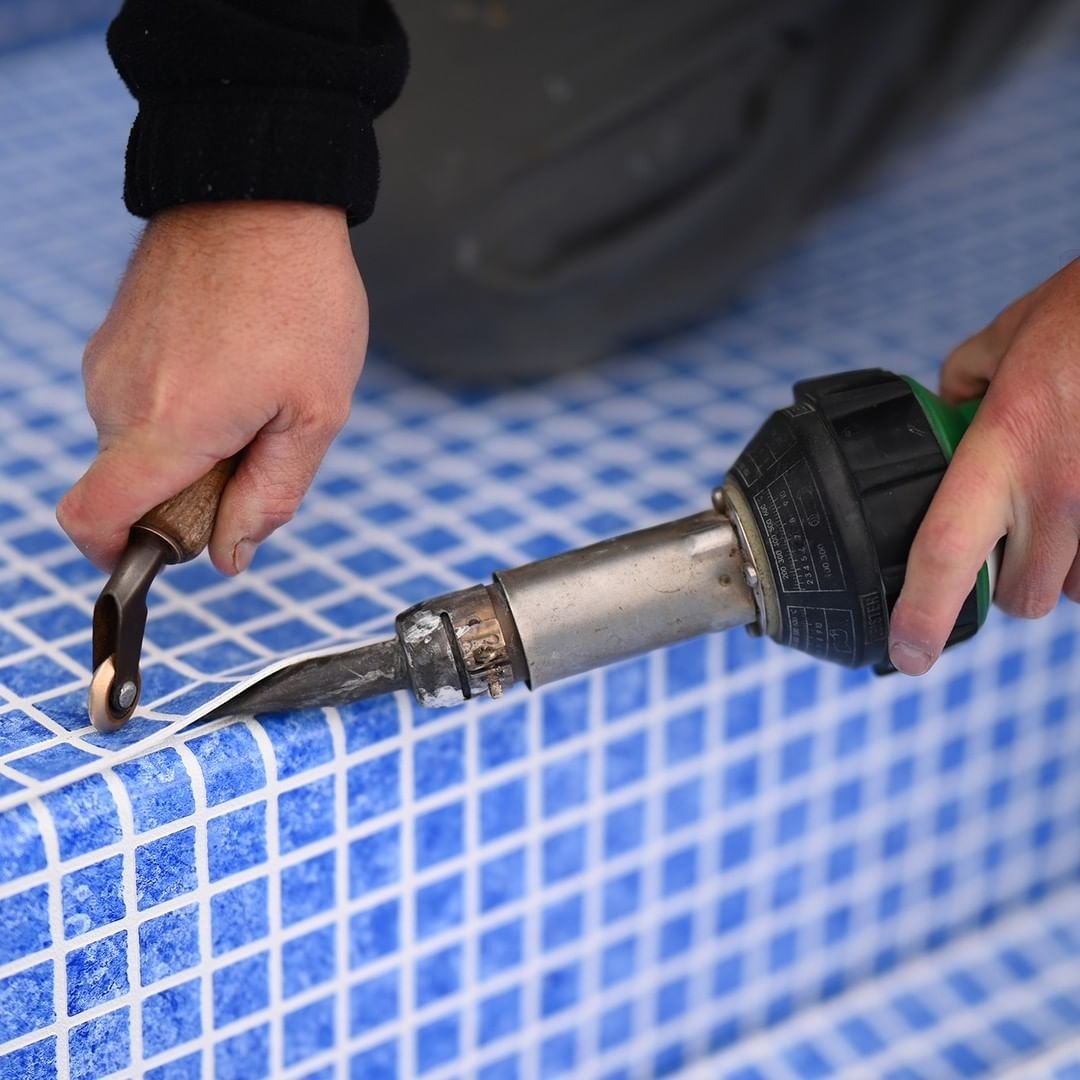
- Reinforced PVC membrane finish — handles pH swings far better than plaster and is easier to clean.
- Overflow / deck-level pools — self-skim the surface, so leaves and pollen never settle.
- Automatic dosing & ORP control — adjusts chlorine and pH in real time, even when you're away.
- Variable-speed pumps — let you push circulation up during monsoon without huge power bills.
- Pool covers — manual or motorised; the highest-ROI accessory in any Indian pool.
When to call a professional
If your pool has turned green, cloudy, or you've seen scaling, etched plaster or rusting fittings after the rains, get it inspected before damage compounds. Our team handles monsoon recovery, deep cleaning and chemistry resets across India, and renovates pools damaged by years of untreated monsoon exposure.
Related services
Monsoon-ready pool care, waterproofing & liner upgrades from Dreamz Pools.
Maintenance / AMC
swimming pool maintenance
Annual maintenance contracts — chemistry, filtration, equipment servicing and on-call support.
Learn more
Pool Renovation
swimming pool renovation
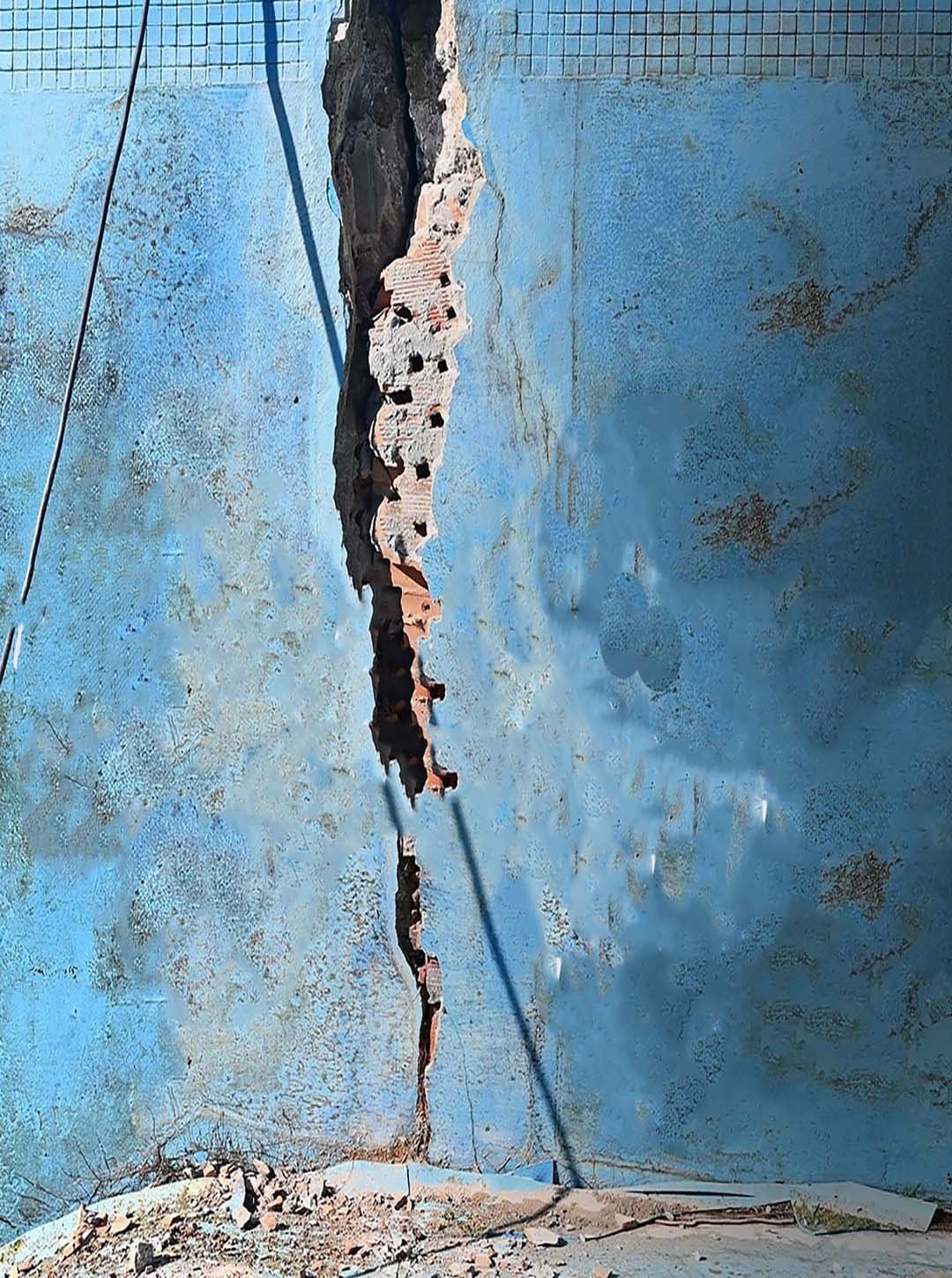
Bring tired pools back to life — membrane re-lining, waterproofing and complete renovation, with or without tile removal.
Learn more
Dreamz PVC Membrane
dreamz pvc membrane
Dreamz PVC Membrane — reinforced PVC pool liners in India with up to a 12-year water-tightness warranty.
Learn more
FRP / Readymade
frp swimming pool
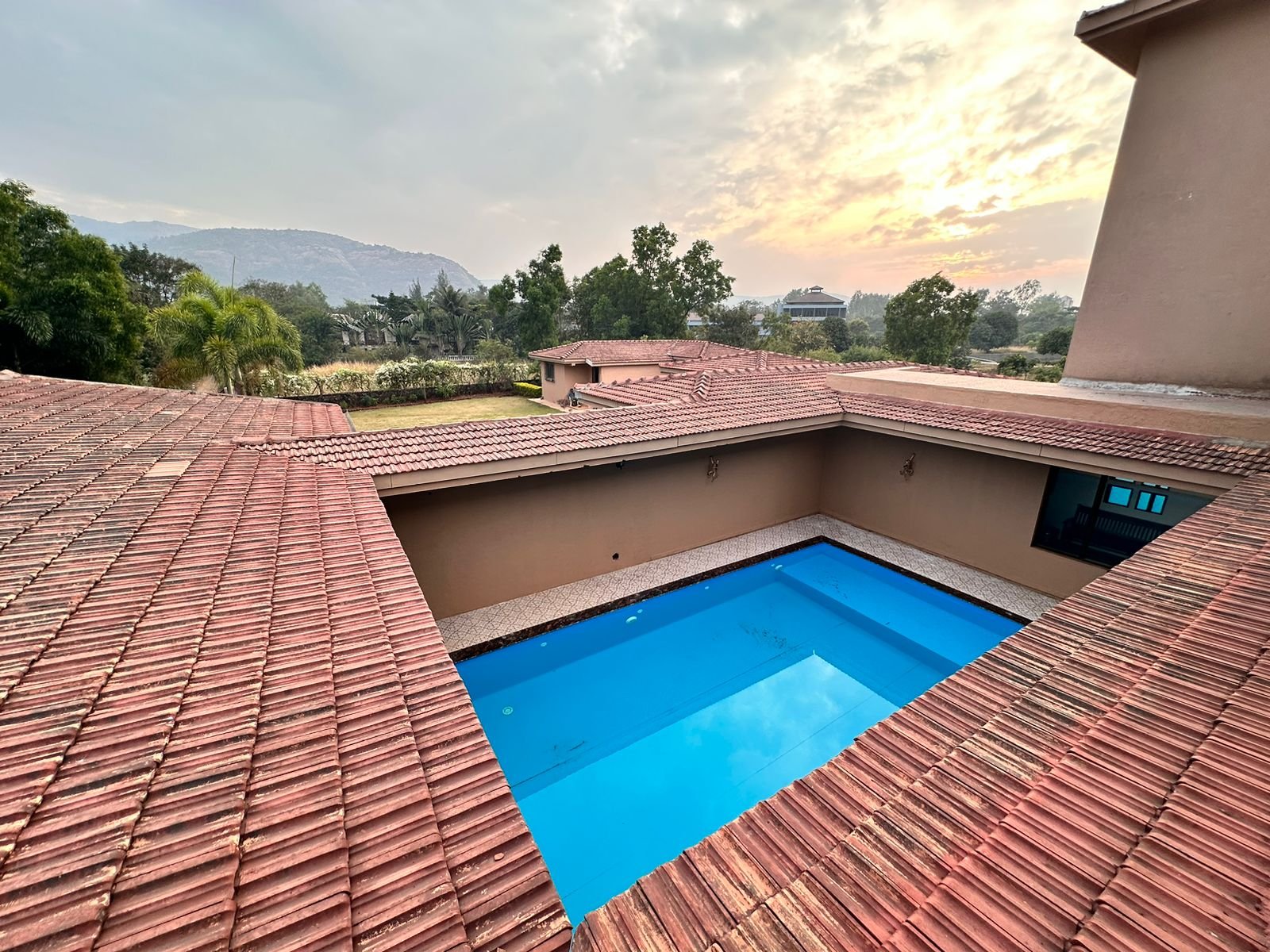
Pre-fabricated FRP pools and modular pool shells delivered and installed in days, not weeks.
Learn more
Pool struggling this monsoon?
Get a monsoon recovery visit — chemistry reset, deep clean and equipment check. We service pools across India.